English version below
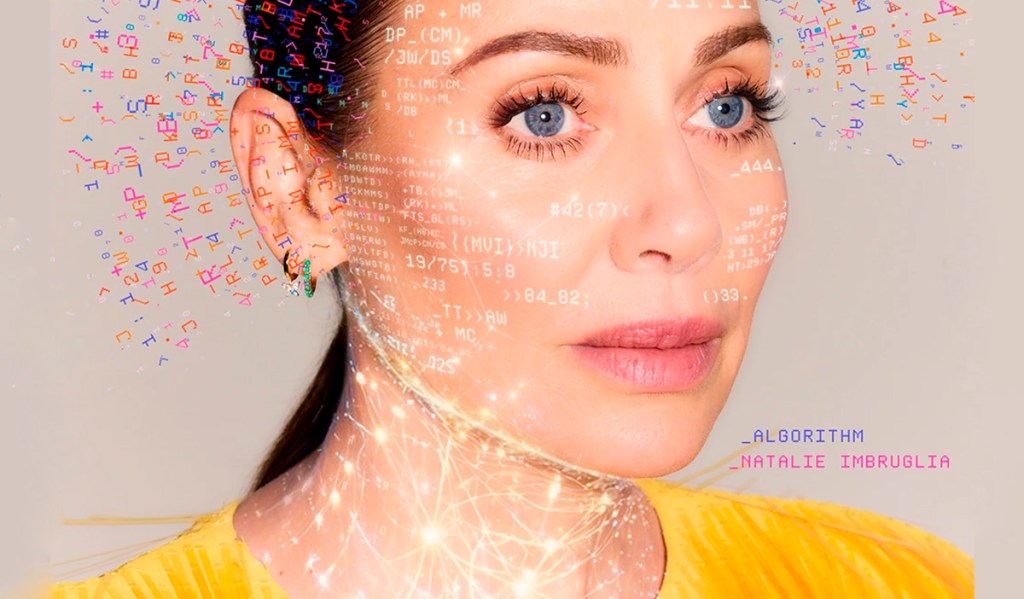
Натали вернулась. Опять. Сегодня приглашаю послушать её первый за пять лет альбом Algorithm.
Это не первый большой перерыв между релизами в её карьере. Даже после дебюта, когда артистка была на пике популярности и имела доступ ко всем ресурсам в индустрии, ей понадобилось четыре года на создание второй пластинки. Давление со стороны лейбла, высокие ожидания и мировая слава не помогали девушке справиться с писательским блоком. В итоге альбом разошёлся тиражом в миллион копий, но это всё равно считалось провалом.
Синдром второго альбома часто встречается в индустрии, поэтому на этот случай можно было бы закрыть глаза, если бы сценарий не повторился ещё несколько раз. Прошлый альбом Firebird стал первым за 12 лет релизом с новым оригинальным материалом. Это был элегантный, взрослый альбом, который извинялся за долгое ожидание длинным треклистом.
На этот раз пластинка компактнее, но и её создание затянулось. Правда, на этот раз не из-за отсутствия вдохновения или идей – Натали впервые стала автором и продюсером всех песен, самостоятельно финансировала проект и выпустила пластинку независимо – для этого пришлось даже открыть собственный лейбл Landgirl. А клипы пришлось снимать в последний момент на телефон.
С таким подходом, говорит Натали, ей больше не приходится волноваться о чартах и соревноваться с более молодыми артистами – можно больше думать о самой музыке. Это спокойствие очень важно, потому что после всех трудностей артистка теперь уделяет больше времени своему здоровью. За последние годы у неё диагностированы СДВГ и обсессивно-компульсивное расстройство (ОКР), а сама она относит себя к нейроотличным людям. На альбоме она не стесняется говорить на эти темы, но делает это с юмором и приятными мелодиями.
Главный сингл Upside Down, например, за жизнерадостными синтами и лёгкой гитарой скрывает переживания женщины о перименопаузе и гормональном фоне, который перевернулся с ног на голову. Но даже если эти темы вам не очень близки, в песне для вас есть цепляющий припев и звучание из 90-х, в котором Натали так естественна.
Endgame говорит о карьерных трудностях, Just Drive – о расставании. На альбоме хватает разных тем, но и в музыке Натали ограничивать себя не стала. Она сделала, возможно, самую смелую работу, когда от неё вряд ли этого ожидали.
Открывает альбом Debbie, которая одновременно звучит старомодно – её вполне могли бы записать Eurythmics – и удивительно свежо благодаря ритмам электронной музыки 90-х и глитч-эффектам. Их становится ещё больше на заглавном треке, где Натали общается с алгоритмом соцсетей. Артистичная подача и странное звучание трека даже напомнили мне Грейс Джонс. А на Jesus on Mars с ещё одной sci-fi идеей неожиданно вступают очень дерзкие гитары. Я не слышал такого у Натали со времён Impressed на первом альбоме.
Конечно, на альбоме есть и более привычные поп-песни с плавными припевами: Just Drive с отчётливой пульсацией синтов в духе главного хита Robyn Dancing on My Own, дрим-поп Sounds Like It Feels или завершающая Beautiful Love с эйфорической мелодией, которая кажется хэппи-эндом после всех глитчевых и резких моментов альбома
Слушать альбом на ютубе | споти | apple music | звуке
На этом альбоме Натали удалось примерить на себя разные образы, поиграться со звучанием и подачей, но при этом оставаться искренней и поделиться очень личными переживаниями. Сделать это на тридцатом году карьеры, которая для Натали, кажется, так и не превратилась в рутину, особенно удивительно. Ставлю 4/5.
Natalie is back. Again. Today, I’m inviting you to listen to her first album in five years, Algorithm.
This is hardly the first long gap between releases in her career. Even after her debut, when she was at the height of her popularity and had all the resources of the industry at her disposal, it took her four years to make a follow-up. Pressure from the label, huge expectations and worldwide fame did little to help her overcome writer’s block. The album eventually sold a million copies, but was still considered a disappointment.
Second-album syndrome is hardly unusual in the music industry, so that could have been written off as a one-time problem — if the same scenario hadn’t repeated itself several more times throughout her career. Her previous album, Firebird, was her first release of new original material in 12 years. It was an elegant, grown-up record that seemed to apologise for the long wait with an extra-long tracklist.
This time the album is more compact, but making it still took a while. Not because Natalie was short on inspiration or ideas, though. For the first time, she wrote and produced every song herself, financed the project independently and released the album on her own — even setting up her own label, Landgirl, to do it. The music videos had to be shot at the last minute on a phone.
With this approach, Natalie says she no longer has to worry about the charts or compete with younger artists — she can focus more on the music itself. That sense of calm feels particularly important after everything she has been through, as she now pays more attention to her health. In recent years, she has been diagnosed with ADHD and obsessive-compulsive disorder (OCD), and identifies as neurodivergent. She isn’t afraid to address these subjects on the album, but does so with humour and plenty of lovely melodies.
Lead single Upside Down, for example, hides the anxieties of a woman dealing with perimenopause and a hormonal balance turned upside down behind cheerful synths and breezy guitars. But even if those subjects don’t particularly resonate with you, there is still a catchy chorus and a distinctly ’90s sound — territory in which Natalie has always felt completely at home.
Endgame deals with the struggles of her career, while Just Drive is about a breakup. There is plenty of variety in the subject matter, but Natalie doesn’t restrict herself musically either. In fact, she may have made her boldest record at exactly the point in her career when hardly anyone expected her to.
The album opens with Debbie, which somehow sounds both old-fashioned — you could easily imagine Eurythmics recording it — and surprisingly fresh, thanks to its ’90s electronic rhythms and glitch effects. Those become even more prominent on the title track, where Natalie finds herself talking to a social-media algorithm. Her theatrical delivery and the song’s strange production even reminded me of Grace Jones. Then Jesus on Mars brings another sci-fi idea into the mix, only to surprise us with some seriously fierce guitars. I haven’t heard Natalie sound like this since Impressed on her debut album.
Of course, there are also more familiar pop songs with smooth, sweeping choruses: Just Drive, with its pulsing synths reminiscent of Robyn’s signature hit Dancing on My Own; the dream-pop of Sounds Like It Feels; and closing track Beautiful Love, whose euphoric melody feels like a happy ending after all the glitchy and abrasive moments that came before.
On this album, Natalie gets to try on different personas and play around with both sound and delivery, while still remaining sincere and sharing some deeply personal experiences. To do that thirty years into a career that, for Natalie, somehow never seems to have become routine is particularly impressive.
4/5
 Zimowski Journal