English version below
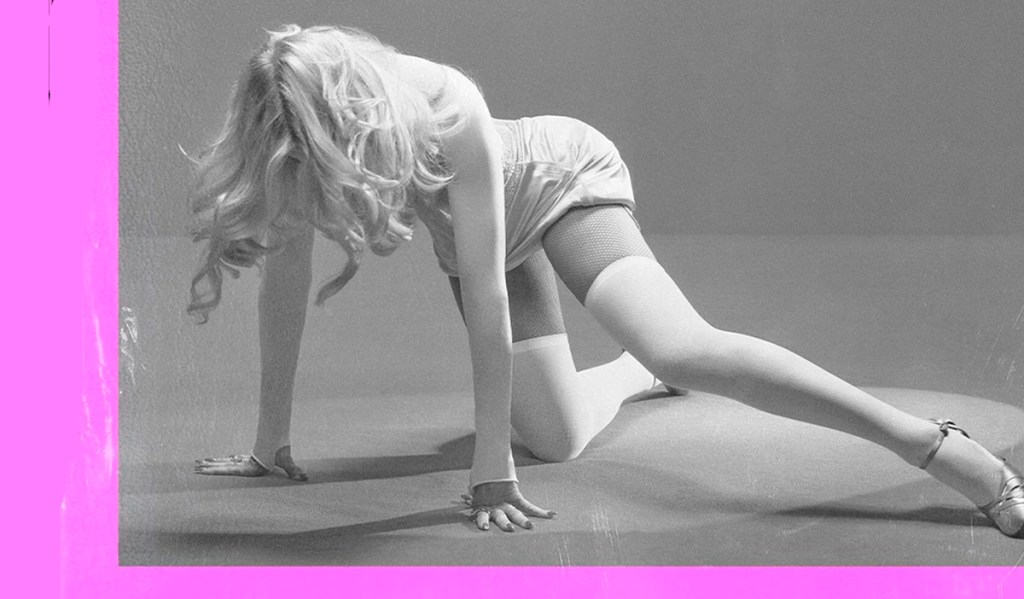
Я соскучился по тем временам, когда поп-альбомы были большим событием. Когда фанаты ждали релиза, а музыкальные издания по крупицам выдавали интересную информацию, а не одни и те же цитаты из пресс-релиза.
В эпоху стриминга стандартный альбомный цикл заметно изменился: звёзды выпускают самые сильные песни заранее, иногда даже за год, а альбом часто становится финальной точкой, за которой чаще всего бывает только тур. Какое счастье, что Мадонна вернулась с новой пластинкой Confessions II и снова сделала поп-индустрию интересной!
Подпишитесь на мой телеграм-канал, чтобы не пропускать статьи
За два месяца легендарная артистка позволила услышать почти половину альбома, но каждая песня становилась ярким событием. Три сингла вышли на стриминговых платформах, другие треки звучали только в клубах, начало альбома прозвучало в фильме, который выглядит очень высокобюджетным – особенно во времена вижуалов, снятых на телефон. А одна песня даже попала в официальный плейлист ЧМ по футболу в честь грядущего выступления Мадонны на финале.
Она ещё раз показала новым поколениям, как правильно подогревать интерес фанатов к своей работе. А ведь она могла всего лишь положиться на свой статус и пустить всё на самотёк, особенно учитывая, какой фуррор произвёл анонс сиквела самого успешного её альбома в этом тысячелетии.
Как и первая часть, Confessions II записывался при участии британского эксперта по электронике Стюарта Прайса и изображает диджейский сет – абсолютно без пауз. В плейлисте аж шестнадцать треков – целый час танцевальной музыки, что в современном мире можно считать двойным альбомом.
В итоге я готов очень высоко оценить идею, визуальную составляющую, промо-кампанию и очевидные амбиции артистки, которая провела на сцене уже больше сорока лет и не позволила холодному приёму прошлых нескольких альбомов сломить её. Даже после нескольких неудач, проблем со здоровьем и семилетнего перерыва она нашла смелость вернуться в студию и записать альбом, о котором говорят все. Настоящая королева! Но всё же что с музыкой? – о ней я пока ничего не сказал.
Потому что мне кажется, что музыка в этом проекте не так важна, как вечное желание Мадонны находиться в центре внимания и все фанфары, сопровождающие альбом. Сами песни напоминают фон из модных коктейльных баров в нулевых: стильная, но если в поле зрения попадает что-то интереснее, то совсем перестаёшь на неё обращать внимание.
Музыка лучше раскрывается в наушниках – тогда слышно пространство, всё множество интересных звуков, которые на разных слоях запрятали продюсеры, и фантастическую работу с каналами. Но всё это работа Стюарта. Голос Мадонны почти всё время звучит отстранённо, а за обработкой её вообще бывает сложно распознать, будто пела вообще не она, а ИИ-версия. Из-за этого и без того не особо выразительные мелодии становятся ещё более монотонными.
Без мелодий здесь не стоит ожидать больших хитов. Нет Hung Up или Sorry, и ближе всего к званию хита дуэт с Сабриной Bring Your Love и позитивный гимн Love Sensation. Но зато есть немного детроитского техно на I Feel So Free, яркий хаус Danceteria о временах в легендарном клубе Нью-Йорка, рейв-баллада Fragile о покойном брате артистки и даже дуэт с дочерью Лолой на трип-хоп треке Test. Даже странно, как много личных тем скрывается за этой безэмоциональной подачей.
Слушать альбом на ютубе | споти | apple music
Confessions II стал большим событием в поп-музыке, и это первый убедительный альбом Мадонны со времён Confessions on a Dance Floor, но лично я считаю продакшн интереснее песен целиком. Но услышали ли бы мы этот первоклассный звук, если бы на обложке не было имени Мадонны? Она нужна, чтобы дать жизнь этой музыке, а музыка нужна ей, чтобы свет софитов оставался направлен на её трон. Ставлю 4/5.
I miss the days when a new pop album felt like a genuine event. When fans eagerly counted down to release day and music magazines gradually revealed new details instead of recycling the same quotes from a press release.
The streaming era has completely changed the traditional album rollout. Artists release their strongest songs months in advance—sometimes even a year before the album arrives—and by the time the record finally drops, it often feels like the end of the campaign rather than the beginning, with only a tour left to follow. That’s why it’s such a pleasure to see Madonna return with Confessions II and remind everyone how exciting pop music can still be.
Over the course of two months, the legendary artist unveiled nearly half of the album, yet every new song felt like an event of its own. Three singles arrived on streaming platforms, other tracks were premiered exclusively in clubs, the album’s fisrt part was featured in a film that looks refreshingly expensive in an era of smartphone-shot visuals, and one song even made its way onto the official FIFA World Cup playlist ahead of Madonna’s upcoming performance at the final.
Once again, she showed a new generation how to build anticipation around an album. She could easily have relied on her legendary status and let the excitement generate itself, especially after announcing a sequel to her most successful album in this century. Instead, she turned the entire rollout into a spectacle.
Like its predecessor, Confessions II was created alongside British electronic mastermind Stuart Price and is presented as one seamless DJ set, flowing without a single pause. Sixteen tracks add up to a full hour of dance music—something that almost qualifies as a double album by today’s standards.
In the end, I have nothing but admiration for the concept, the visuals, the promotional campaign, and the sheer ambition of an artist who has spent more than forty years on stage without allowing the lukewarm reception of her last few albums to define her. After career setbacks, health issues, and a seven-year recording hiatus, she found the courage to return with an album everyone is talking about. A true queen.
But what about the music? Funny enough, I haven’t really talked about it yet.
That’s because I don’t think the music is the main attraction here. What matters more is Madonna’s relentless desire to remain at the center of pop culture—and the fanfare surrounding the album itself. The songs feel like the soundtrack to an upscale cocktail bar in the 2000s: stylish, sophisticated, but the moment something more interesting catches your attention, the music fades completely into the background.
The album reveals far more through headphones. That’s where you can appreciate the sense of space, the countless sonic details hidden throughout the mix, and the incredible stereo production. But that’s largely Stuart Price’s achievement. Madonna’s voice often feels emotionally distant, and the heavy processing sometimes makes it difficult to recognize her at all—as if the vocals came from an AI version of Madonna rather than the real thing. That only makes the already understated melodies feel even more monotonous.
Without memorable melodies, don’t expect another Hung Up or Sorry. The closest thing to a hit is the Sabrina collaboration Bring Your Love and the uplifting anthem Love Sensation. Still, the album offers plenty to discover: a touch of Detroit techno on I Feel So Free, the vibrant house of Danceteria, inspired by New York’s legendary club scene, the rave ballad Fragile, dedicated to Madonna’s late brother, and even a trip-hop duet with her daughter on Test. It’s surprising how many deeply personal stories are hidden beneath such an emotionally detached delivery.
Confessions II is undoubtedly one of the biggest pop events of the year and Madonna’s most convincing album since Confessions on a Dance Floor. Personally, though, I find the production more compelling than the songs themselves. But would this immaculate production have received the same attention if Madonna’s name weren’t on the cover? She gives this music its cultural weight, while the music, in return, keeps the spotlight fixed firmly on her throne.
4/5

