English version below
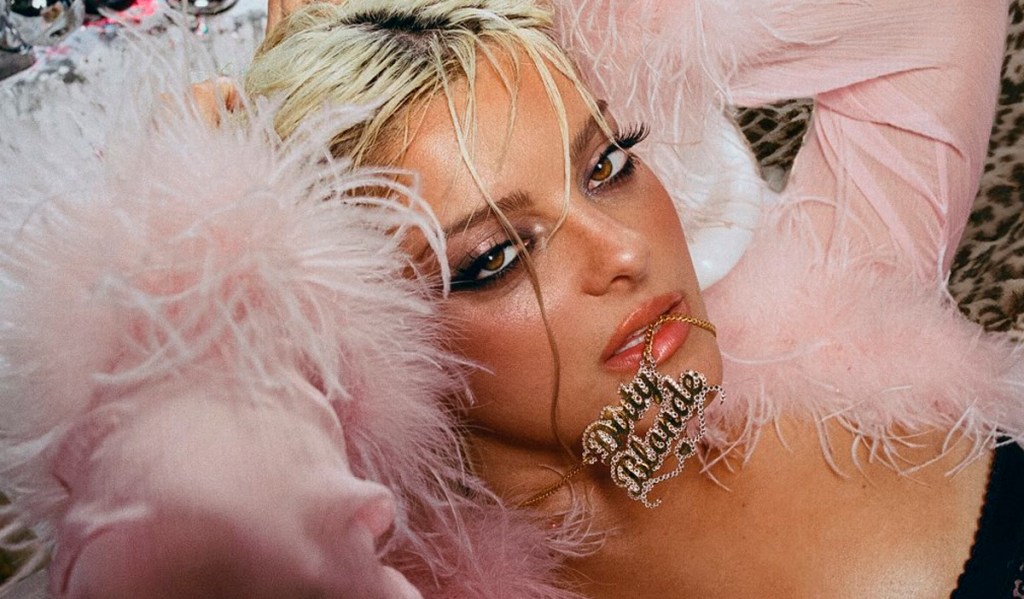
За свою карьеру Биби Рекса участвовала в записи многих популярных треков – в её дискографии аж пять песен со стримами выше миллиарда только на споти. Но за это время ей так и не удалось найти своё место в индустрии, и она рисковала остаться артисткой для фитов у диджеев и рэперов. С новым сольным альбомом Dirty Blonde она пытается исправить это – но получилось ли это?
Подпишитесь на мой телеграм-канал, чтобы не пропускать статьи
На пластинке слышно, с какой уверенностью Биби перебирает звучание клубов со всего мира. Разнообразие битов действительно впечатляет, но очень часто кажется, что она (и ранее замеченная в интерполяции известных танцевальных хитов) скорее перерабатывает чужие идеи, чем создаёт оригинальный материал.
Официальных сэмплов здесь всего два: West Side Family на Çike Çike с латиноамериканскими вайбами и New Religion со слишком узнаваемой мелодией из легендарной Insomnia от Faithless. Иронично, что в итоге это самые очевидные хиты: New Religion с бесспорно цепляющим хуком, а Çike Çike с яркими духовыми и глубоким басом.
Другие номера не кажутся свежими, наверно, из-за количества продюсеров и авторов. Короткие песни буквально собирали по крупицам: в написании EDM-бэнгера Hysteria приняло участие больше десяти человек (по 13 секунд на каждого). Но абсолютной рекордсменкой стала сомнительная песня Sad Girls, где кроме Дэвида Гетты засветились ещё 13 человек.
На Tokyo Биби склоняется в сторону гиперпопа с изменённым голосом, $.H.I.T с хип-хоп влияниями вполне могла попасть на альбом какой-нибудь корейской группы, i like you better than me иThe Way I Want You напоминают стиль 2010-х, особенно её работу с Мартином Гарриксом. На время от электронных битов неожиданно отклоняется толькоDrink and a Little Love с куплетом в стиле кантри – и голос Биби здесь звучит лучше всего. Может, ей стоило попробовать этот жанр вместо клубного сумасшествия?
В итоге несмотря на разнообразие и склонность к экспериментам пластинка несёт нас по звукам, как скорый поезд. В среднем, песни длятся по две с половиной минуты, что совсем мало для искреннего интереса со стороны слушателей (но достаточно, чтобы они не успели переключить песню в плейлисте и подарили заветное прослушивание). Этого также не хватает, чтобы похвалить Биби за глубокое погружение в темы: вместо этого все песни кажутся лишь отрывками, созданными специально для ТикТока и сторис.
Единственная песня, которая показалась мне по-настоящему интересной и цельной, это Night Falls. Неторопливая подача, достойный вокал, вайб поздней ночи с тихой инструменталкой – это также самая длинная песня на альбоме с понятной структурой.
Слушать альбом на ютубе | споти | apple music
На Dirty Blonde Биби попыталась играть героиню – дерзкую клубную диву. Но во времена, когда больше всего у артистов ценится искренность, этот альбом кажется поверхностным продюсерским проектом, что странно, ведь артистка выпустила его независимо. Кажется, ей пора отойти в сторону более эмоциональной поп-музыки, если она действительно хочет найти себя, а не оставаться в тени продакшна – неважно, на сольных работах или в коллаборациях. Ставлю 3/5
Throughout her career, Bebe Rexha has been involved in some of the biggest hits of the streaming era. In fact, she has five songs with over a billion Spotify streams to her name. Yet despite all that success, she has never quite found her place in the industry, often feeling more like a featured artist on DJ and rap records than a star in her own right. With her new album Dirty Blonde, she seems determined to change that. But does she succeed?
The album showcases Bebe confidently exploring club sounds from around the world. The variety of beats is genuinely impressive, but too often it feels as though she is repurposing existing ideas rather than creating something truly original—a criticism that has followed her before due to her fondness for interpolating well-known dance hits.
There are only two official samples on the record: West Side Family on Çike Çike and the unmistakably familiar melody of Faithless’ legendary Insomnia on New Religion. Ironically, these end up being the album’s most obvious highlights. New Religion boasts an undeniably catchy hook, while Çike Çike stands out thanks to its vibrant brass and deep bassline.
The remaining tracks rarely feel fresh, perhaps because of the sheer number of writers and producers involved. Many of these short songs sound assembled piece by piece. More than ten people contributed to the EDM banger Hysteria—roughly thirteen seconds of songwriting per person. The dubious honor of having the largest creative team goes to Sad Girls, where thirteen additional contributors join David Guetta.
On Tokyo, Bebe flirts with hyperpop through heavily processed vocals. $.H.I.T could easily have landed on an album by a contemporary K-pop group, while i like you better than me and The Way I Want You recall the EDM-pop sound of the 2010s, particularly her collaborations with Martin Garrix. The only real break from the electronic chaos comes with Drink and a Little Love, which features country-inspired verse (unfortunately just one) and some of the strongest vocals on the entire album. It almost makes you wonder whether Bebe should be exploring that genre instead.
Despite its variety and willingness to experiment, Dirty Blonde rushes from one sound to another like a high-speed train. Most tracks barely reach two and a half minutes in length—hardly enough time to build a genuine connection with the listener, though apparently long enough to secure another stream before anyone skips. As a result, many of these songs feel more like fragments than fully developed ideas, tailor-made for TikTok clips and Instagram stories.
The one track that felt genuinely complete to me was Night Falls. Its slower pace, solid vocal performance, and late-night atmosphere give it a sense of purpose missing elsewhere on the record. Fittingly, it is also the album’s longest song and one of the few with a clear, satisfying structure.
On Dirty Blonde, Bebe Rexha tries to play the role of a bold, glamorous club diva. Yet at a time when audiences increasingly value authenticity, the album comes across as a glossy but superficial producer-driven project—which is particularly surprising given that it was released independently. If Bebe truly wants to find her artistic identity rather than remain in the shadow of the production behind her music, she may need to move toward more emotional and personal pop songs, whether on solo releases or collaborations.
Rating: 3/5

